 By AdmissionGuru
 Education Guide
Study in Norway Your Complete Free Education Guide (2025)
Discover how to earn a world-class degree without tuition fees in Norway’s exceptional academic landscape.
Published: December 20, 2025
By: Expert Sarah Johnson
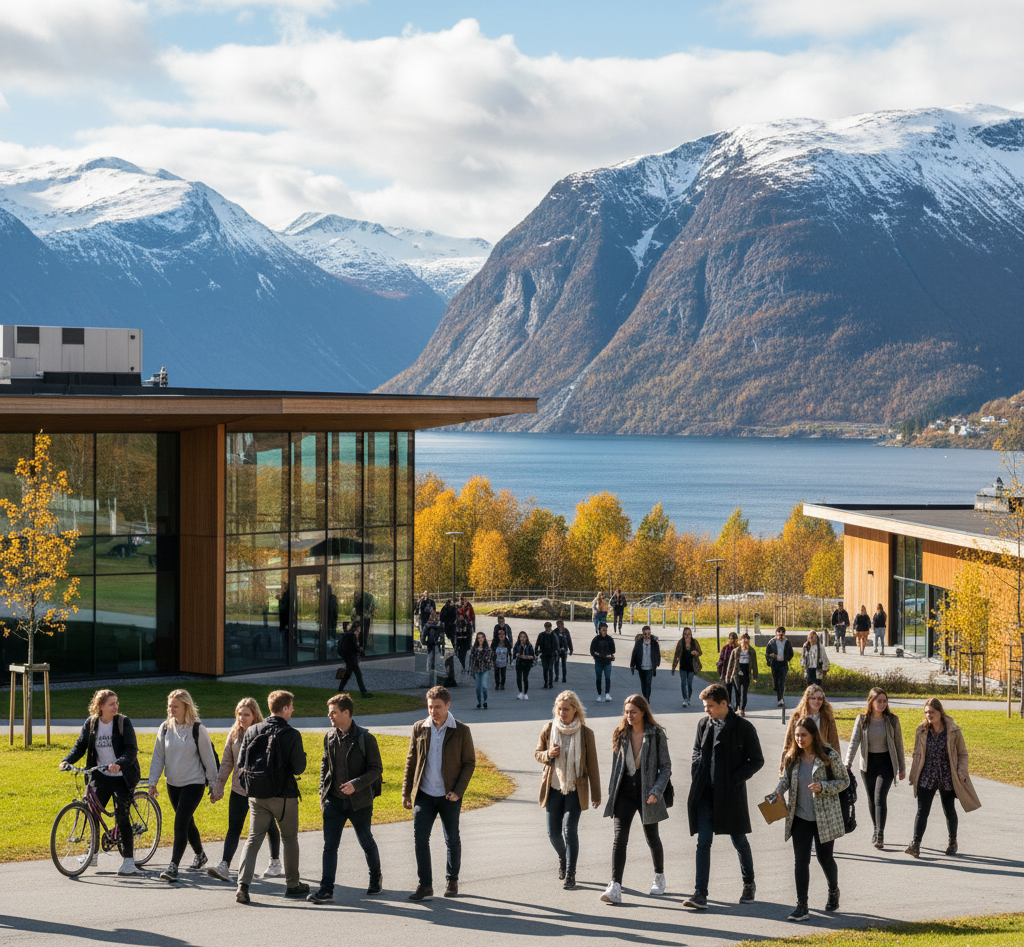
Imagine earning a world-class degree without paying a single dollar in tuition fees. Sounds too good to be true? Welcome to Norway, where public universities charge zero tuition for both domestic and international students. This Nordic country offers exceptional education quality, stunning natural landscapes, and a high standard of living that consistently ranks among the world’s best.
If you’re considering studying abroad, Norway presents a unique opportunity to access top-tier education without the crushing burden of student debt. This comprehensive guide walks you through everything you need to know about studying in Norway—from choosing the right university and navigating visa requirements to understanding living costs and finding accommodation. Whether you’re pursuing a bachelor’s, master’s, or PhD, you’ll discover how Norway’s tuition-free education system can transform your academic journey.
Ready to explore how you can study in one of the world’s happiest countries while keeping your bank account intact? Let’s dive into your complete roadmap to studying in Norway.
Table of Contents
- Why Study in Norway? The Free Education Advantage
- Understanding Norway’s Tuition-Free Education System
- Top Norwegian Universities for International Students
- Academic Programs and Language Requirements
- How to Apply to Norwegian Universities: Step-by-Step
- Student Visa Requirements and Application Process
- Cost of Living in Norway: What You’ll Actually Spend
- Scholarships and Financial Support for International Students
- Student Life in Norway: What to Expect
- Working While Studying in Norway
- Frequently Asked Questions
Why Study in Norway? The Free Education Advantage
Norway stands out as one of the few countries worldwide that offers completely free tuition at public universities for international students. But the benefits extend far beyond zero tuition fees.
Here’s what makes Norway exceptional for international students:
Norwegian public universities maintain this tuition-free policy because education is viewed as a fundamental right, not a privilege. According to the Norwegian Centre for International Cooperation in Education (Diku), over 20,000 international students currently study in Norway, representing approximately 11% of the total student population.
💡
Pro Tip
While tuition is free, you’ll still pay a small semester fee (typically 300-600 NOK or $30-60) that grants you access to student welfare services, including health services and discounted transportation.
The country ranks consistently high in global education indices. Norwegian universities emphasize critical thinking, research-based learning, and hands-on experience. You’ll find small class sizes, accessible professors, and a collaborative rather than competitive academic culture.
Beyond academics, Norway offers unmatched quality of life. The country topped the UN Human Development Index multiple times and provides excellent public services, safety, and work-life balance. For outdoor enthusiasts, Norway’s fjords, mountains, and northern lights create an inspiring backdrop for your studies.
Key advantages at a glance:
- Zero tuition fees at all public universities
- High-quality education with international recognition
- English-taught programs at bachelor’s, master’s, and PhD levels
- Safe, inclusive society with strong student support systems
- Opportunity to learn Norwegian and access additional scholarship opportunities
- Post-study work opportunities in a thriving economy
- Stunning natural environment perfect for outdoor activities
Understanding Norway’s Tuition-Free Education System
Let’s clarify exactly how Norway’s free education system works and what “free” actually means for international students.
Who Qualifies for Free Tuition?
All students—Norwegian citizens, EU/EEA nationals, and international students from outside Europe—pay zero tuition at Norway’s public universities and university colleges. This policy applies to bachelor’s, master’s, and PhD programs.
✅
Key Takeaway
Unlike some European countries that only offer free tuition to EU citizens, Norway extends this benefit to students from every country worldwide.
What Costs Should You Expect?
While tuition is free, you’ll encounter these expenses:
- Semester fees: Each semester, you’ll pay approximately 300-600 NOK ($30-60) to the student welfare organization. This small fee covers student health services, access to sports facilities, counseling services, and often significant discounts on public transportation.
- Living expenses: This represents your main financial consideration. Norway has a high cost of living compared to most countries. The Norwegian Directorate of Immigration (UDI) requires international students to document they have at least 139,680 NOK ($13,500) per academic year to cover accommodation, food, transportation, and other necessities.
- Study materials: Budget approximately 2,000-3,000 NOK ($200-300) per semester for textbooks and course materials, though many professors provide digital resources or allow library borrowing.
Are There Any Exceptions?
A few specialized programs at public institutions charge tuition, primarily executive MBA programs and certain continuing education courses. Additionally, private universities in Norway do charge tuition fees, though these institutions are less common. Always verify the fee structure when researching specific programs.
Top Norwegian Universities for International Students
Norway hosts several world-renowned universities that welcome international students. Here are the leading institutions to consider:
University of Oslo (UiO)
Founded in 1811, Norway’s oldest and highest-ranked institution. Offers over 800 courses in English. Strong research focus, extensive English-taught master’s programs, and prime urban location.
Norwegian University of Science and Technology (NTNU)
Scandinavia’s largest university for engineering and technology. Excels in natural sciences, social sciences, arts, and medicine. Cutting-edge research facilities, strong industry partnerships, and a vibrant student city atmosphere.
University of Bergen (UiB)
Second oldest university. Strong in marine research, climate studies, and energy. Beautiful coastal setting and English-taught programs.
Arctic University of Norway (UiT)
World’s northernmost university in Tromsø. Unique opportunities to study Arctic phenomena, indigenous cultures, and northern ecosystems. Specialized Arctic research and extraordinary natural setting.
Norwegian School of Economics (NHH)
Leading business school in Bergen. Excellent English-taught master’s programs in economics, finance, and business administration. Strong corporate connections and high graduate employment rates.
💡
Pro Tip
Check each university’s international office website for specific programs, entry requirements, and application deadlines. Requirements vary between institutions and even between programs within the same university.
Academic Programs and Language Requirements
Understanding program availability and language requirements is crucial when planning to study in Norway.
Program Levels Available
- Bachelor’s Programs: Most are taught in Norwegian, but English-taught degrees are growing. Typically three years.
- Master’s Programs: Hundreds of master’s programs are entirely in English. Popular fields include engineering, natural sciences, business, social sciences, and humanities. Typically two years.
- PhD Programs: Generally in English, lasting three to four years. Often salaried employee positions.
Language Requirements
For English-taught programs, you must demonstrate English proficiency through:
- TOEFL iBT: Minimum score typically 90-100
- IELTS Academic: Minimum score typically 6.5-7.0
- Cambridge English: C1 Advanced or C2 Proficiency
Some universities waive English testing if you completed previous education in English or come from certain English-speaking countries.
⚠️
Important
Each program sets its own language requirements. Always check specific requirements for your chosen program, as they can vary significantly.
For Norwegian-taught programs, you’ll need documented Norwegian language proficiency, typically the “Bergenstest” or equivalent. However, most international students opt for English-taught programs.
Should You Learn Norwegian?
While not required for English-taught programs, learning Norwegian offers significant advantages:
- Access to more bachelor’s programs
- Easier integration into Norwegian society
- Better part-time job opportunities
- Enhanced cultural experience
Many universities offer free or low-cost Norwegian language courses for international students. Taking advantage of these courses can enrich your experience significantly.
How to Apply to Norwegian Universities: Step-by-Step
The application process for Norwegian universities follows a structured timeline. Here’s your complete roadmap:
1
Research and Choose Your Programs
(12-18 months before start date) Start early by exploring universities and programs on Study in Norway (studyinnorway.no). Review program descriptions, entry requirements, and career outcomes. Create a shortlist of 3-5 programs.
2
Check Specific Entry Requirements
(10-12 months before) Each program lists specific requirements including: Required bachelor’s degree, minimum GPA, prerequisite courses, language proficiency scores, and additional materials. Verify that your previous education meets Norwegian recognition standards.
3
Prepare Required Documents
(8-10 months before) Standard documents include: Certified copies of diplomas and transcripts, English proficiency test scores, passport copy, CV/Resume, statement of purpose, letters of recommendation, and portfolio/writing samples. Have all documents officially translated and certified well in advance.
4
Submit Your Application
(December 1 – March 1 for fall semester) Most universities use a centralized system. Deadlines: Non-EU/EEA citizens: December 1. EU/EEA citizens: March 1. Some programs have different deadlines. Submit through the university’s online portal or Søknad om opptak.
5
Await Admission Results
(April-May) Universities typically announce results in April or May. If accepted, you’ll receive an official letter of admission.
6
Accept Your Offer and Prepare for Arrival
(May-July) Formally accept your offer. Begin preparing for your move, including securing housing, applying for your visa, and arranging finances.
💡
Pro Tip
Apply to multiple programs to increase your chances of admission. Norwegian universities are selective, and competition can be fierce for popular programs.
Student Visa Requirements and Application Process
Non-EU/EEA international students need a student residence permit to study in Norway. Here’s what you need to know:
Required Documentation
To apply for a Norwegian student residence permit, you must provide:
- ✅Admission letter: Official confirmation from your Norwegian university
- ✅Proof of financial support: Documentation showing you have at least 139,680 NOK ($13,500) for the academic year.
- ✅Documentation of accommodation: Confirmation of where you’ll live in Norway.
- ✅Valid passport: Must be valid for entire study period.
- ✅Passport photo: Meeting Norwegian requirements.
- ✅Receipt of application fee: Currently 6,300 NOK ($630).
Application Process
Timeline: Apply for your residence permit as soon as you receive your admission letter. The process typically takes 1-4 months.
How to apply:
- Complete the online application at UDI (Directorate of Immigration) website.
- Pay the application fee.
- Book an appointment at your nearest Norwegian embassy or consulate.
- Submit biometric data and original documents at your appointment.
- Track your application status online.
⚠️
Important
Do not book flights or make irreversible plans until you receive your residence permit. Processing times vary, and you cannot enter Norway as a student without this permit.
EU/EEA Students
If you’re from an EU/EEA country, you don’t need a student residence permit before arrival. However, you must register with the police within three months of arriving in Norway if your stay exceeds three months.
Extending Your Permit
Student residence permits are typically granted for one year at a time. You must apply for renewal before your current permit expires if your program exceeds one year.
Cost of Living in Norway: What You’ll Actually Spend
Understanding realistic living costs helps you budget effectively. Norway’s high living standard comes with corresponding expenses.
Monthly Living Expenses Breakdown
Based on 2024-2025 student reports, expect to spend approximately 11,000-15,000 NOK ($1,100-1,500) monthly:
Accommodation
4,000-7,000 NOK ($400-700)
- Student housing (most affordable): 4,000-5,500 NOK
- Shared apartment: 5,000-6,500 NOK
- Studio apartment: 6,000-8,000+ NOK
Food
2,500-3,500 NOK ($250-350)
- Groceries for home cooking: 2,000-3,000 NOK
- Occasional dining out: 500-1,000 NOK
- Universities often have subsidized cafeterias with meals for 50-90 NOK
Transportation
500-800 NOK ($50-80)
- Student discount public transit passes vary by city
- Oslo: ~650 NOK monthly
- Bergen, Trondheim: ~450-550 NOK monthly
- Cycling is popular and cost-effective
Books and supplies
300-500 NOK ($30-50) monthly average
Personal expenses
1,000-2,000 NOK ($100-200)
- Phone plan: 200-400 NOK
- Entertainment, clothing, miscellaneous: 800-1,600 NOK
Insurance
Included through EHIC (EU/EEA) or approximately 400-600 NOK monthly for others
Money-Saving Strategies
- Shop smart: Discount grocery chains like Rema 1000, Extra, and Kiwi offer significantly lower prices.
- Cook at home: Restaurant meals are expensive (150-300 NOK).
- Take advantage of student discounts: Your student card provides discounts on transportation, cultural events, museums, and some stores.
- Buy used: Facebook Marketplace, Finn.no, and university bulletin boards offer used furniture, textbooks, and other essentials.
💡
Pro Tip
Many students work part-time to supplement their finances. International students can work up to 20 hours per week during the academic year and full-time during holidays.
City-Specific Costs
Living costs vary by location:
- Oslo: Most expensive, particularly for housing.
- Bergen and Stavanger: Moderately high costs.
- Trondheim: Slightly more affordable than Oslo.
- Tromsø and smaller cities: Generally most affordable options.
Scholarships and Financial Support for International Students
While tuition is free, securing funding for living expenses is crucial. Several scholarship opportunities exist:
Quota Scheme Scholarships
The Norwegian government offers scholarships to students from developing countries through the Quota Scheme. These full scholarships cover living expenses, travel costs, insurance, and language training costs. Check with Diku for eligible countries and programs.
University-Specific Scholarships
Individual universities offer various scholarships. Contact the international office at your chosen university for available opportunities.
External Funding Sources
- Erasmus+ Program
- Fulbright Program (for U.S. citizens)
- Country-specific scholarships
- Research Council of Norway (for PhD students)
Work Opportunities
International students can work part-time (20 hours weekly during term, full-time during breaks). Typical student jobs include retail, restaurants, tutoring, and administrative work. Hourly wages typically range from 150-200 NOK ($15-20).
⚠️
Important
Don’t rely solely on finding part-time work. You must prove you have sufficient funds before receiving your residence permit, and finding work isn’t guaranteed, especially if you don’t speak Norwegian.
Student Life in Norway: What to Expect
Studying in Norway offers a unique cultural experience beyond the classroom.
Academic Culture
Norwegian universities emphasize independent learning and critical thinking. Professors encourage debate and expect students to form their own opinions. Class sizes are typically smaller, allowing for more interaction. Assessment methods often include project work, presentations, and written exams. Expect a less formal relationship with professors.
Social Life and Student Organizations
Student organizations play a central role in social life, covering sports, culture, academics, and hobbies. Student welfare organizations manage student housing, cultural events, sports facilities, and cafeterias. International student associations help newcomers adjust and create supportive communities.
Weather and Outdoor Life
Norway experiences four distinct seasons. Norwegians embrace outdoor activities year-round: skiing, hiking, kayaking, camping, fishing, and northern lights viewing. The Norwegian concept “friluftsliv” (outdoor life) is central to the culture.
Cultural Adjustment
Punctuality is essential. Equality is fundamental. Privacy is respected. Work-life balance is prioritized. Sunday is typically a quiet day, with most shops closed.
💡
Pro Tip
Download useful apps like Yr (weather), Ruter/Skyss (public transportation), and Finn.no (classifieds) to help navigate daily life in Norway.
Working While Studying in Norway
International students can work while studying, subject to certain regulations.
Work Permit Regulations
- During academic term: Up to 20 hours per week.
- During holidays: Full-time (no hour restrictions).
Your student residence permit automatically includes the right to work within these limits.
Finding Work
Job opportunities depend on language skills, location, and networking. Popular job search platforms include Finn.no, Nav.no, and university career services.
Typical Wages
Typical student job wages range from 150-200 NOK ($15-20) per hour.
Post-Graduation Work Opportunities
After completing your degree, you can apply to stay in Norway for up to one year to search for work. Norway’s strong economy creates opportunities in engineering, technology, oil and gas, healthcare, and academia.
✅
Key Takeaway
Learning Norwegian during your studies significantly improves post-graduation employment prospects. Many employers require Norwegian language skills even for positions conducted primarily in English.
Frequently Asked Questions
Is education really completely free in Norway for international students?
+
Yes, all public universities in Norway charge zero tuition fees to international students from any country. You’ll only pay a small semester fee (approximately $30-60) for student services. However, you must budget for living expenses, which average $1,100-1,500 monthly depending on your location and lifestyle.
Can I study in English or do I need to learn Norwegian?
+
Hundreds of master’s and PhD programs are taught entirely in English, making them accessible without Norwegian language skills. Bachelor’s programs are predominantly in Norwegian, though English-taught options are increasing. Learning Norwegian enhances your experience and job opportunities but isn’t mandatory for English-taught programs.
How much money do I need to show for a student visa?
+
Non-EU/EEA students must document they have at least 139,680 NOK (approximately $13,500) for each academic year when applying for a residence permit. This proves you can cover living expenses during your studies. This amount can be shown through bank statements, scholarship letters, or sponsor documentation.
Can I work while studying in Norway?
+
Yes, international students can work up to 20 hours per week during the academic term and full-time during holidays. Your student residence permit automatically includes this work authorization. However, finding part-time work isn’t guaranteed, especially without Norwegian language skills, so don’t rely on work income for essential expenses.
What are my chances of getting accepted to Norwegian universities?
+
Norwegian universities are selective, with admission rates varying by program. Competitive programs in fields like medicine, psychology, and business have lower acceptance rates. Your chances depend on your academic record, relevant experience, and how well you meet specific program requirements. Applying to multiple programs increases your chances of admission.
Is Norway expensive for students?
+
Norway has a high cost of living compared to most countries. Students typically spend $1,100-1,500 monthly on accommodation, food, transportation, and other expenses. Oslo is most expensive, while smaller cities are more affordable. Smart budgeting, cooking at home, using student discounts, and potentially working part-time help manage costs.
Can I stay in Norway after graduation?
+
Yes, graduates can apply for a one-year residence permit to search for work after completing their degree. This allows you to work full-time while job hunting. If you secure relevant employment, you can apply for a work residence permit. Learning Norwegian during your studies significantly improves your post-graduation employment prospects.
When should I start the application process?
+
Begin researching programs 12-18 months before your intended start date. Application deadlines are typically December 1 (for non-EU/EEA students) or March 1 (for EU/EEA students) for programs starting in August/September. Apply for your student residence permit immediately after receiving your admission letter, as processing takes 1-4 months.
Final Thoughts: Your Path to Studying in Norway
Studying in Norway offers an exceptional opportunity to earn a world-class degree without tuition fees while experiencing life in one of the world’s most progressive, beautiful, and innovative countries. The combination of free education, high academic standards, stunning natural environment, and excellent quality of life makes Norway an outstanding choice for international students.
Key takeaways to remember:
- Zero tuition at public universities applies to all international students regardless of origin.
- English-taught programs are abundant at master’s and PhD levels.
- Plan for living costs of approximately $13,500 per year.
- Apply early and prepare documents well in advance of deadlines.
- Student residence permits take time to process—start immediately after admission.
- Learning Norwegian enhances your experience and future opportunities.
- Part-time work is possible but shouldn’t be your primary financial plan.
The path to studying in Norway requires thorough preparation, financial planning, and patience with bureaucratic processes. Start early, research carefully, and don’t hesitate to contact university international offices with questions. They exist to help international students navigate the system successfully.
Norway’s commitment to education as a right rather than a commodity creates unique opportunities for motivated students worldwide. Whether you’re drawn by the academic excellence, the absence of tuition fees, the stunning fjords and mountains, or the progressive society, studying in Norway can be a transformative experience that shapes your academic career and personal growth.
Are you ready to take the next step toward studying in Norway? Start by exploring programs at studyinnorway.no and reaching out to universities that interest you. Your Norwegian adventure awaits.
What aspect of studying in Norway excites you most? Share your thoughts in the comments below!
Ready to Start Your Norwegian Journey?
Explore programs, connect with universities, and take the first step towards your dream of studying in Norway for free!
Related Articles
How to Write a Winning Scholarship Essay
Learn the exact formula scholarship winners use to craft compelling essays that stand out.
FAFSA Guide for Nursing Students
Step-by-step instructions for maximizing your federal financial aid as a nursing student.
BSN vs ADN: Which Path is Right for You?
Compare the two main nursing degree paths to find which one fits your goals and budget.

Leave a Reply